
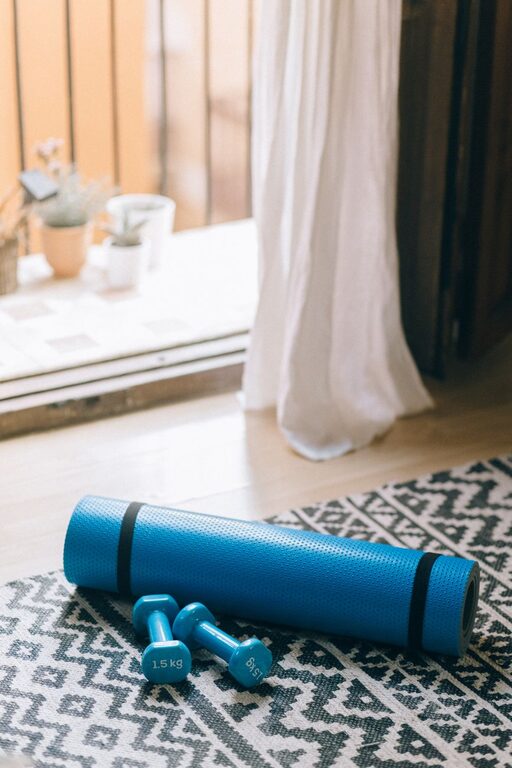
Creating a workout corner at home is a fantastic way to stay active without the need for a gym membership or expensive equipment. Whether you have a spare room, a nook in your living room, or even part of your bedroom, setting up a dedicated space for exercise can make staying fit easier and more enjoyable. In this guide, we’ll walk you through how to build a simple workout corner that suits your needs, budget, and available space.
Why Create a Workout Corner at Home?
Having a designated space for exercise helps establish a routine. When your workout gear is ready and waiting, it’s easier to overcome the temptation to skip your session. Plus, a neat, inviting space can boost motivation and keep distractions at bay. You don’t need a huge area or fancy machines—just a little planning and a few essential items can get you started.
Step 1: Choose the Right Spot
Consider available space and natural light
Start by selecting a space in your home where you can comfortably move around without interruptions. This could be:
– A corner in your living room
– A section of your bedroom
– A spare closet or alcove that can be converted
– A part of your garage or basement with enough ventilation
If possible, pick a spot that receives natural light to create a welcoming atmosphere. It’s also helpful to choose an area close to a power outlet for charging devices or using electronic equipment like a fitness tracker.
Keep it clutter-free
Clear out any unnecessary furniture or items to open up the space. A tidy and organized workout corner feels more motivating and helps you focus.
Step 2: Plan Your Workout Needs
Decide on your exercise types
Think about the kind of workouts you enjoy or want to try. Some possibilities include:
– Bodyweight exercises (push-ups, squats, planks)
– Yoga or Pilates
– Strength training with weights or resistance bands
– Cardio workouts like jumping jacks or skipping rope
Knowing what activities you’ll perform will help determine what equipment you need and how much space to allocate.
Consider space requirements
Certain workouts need more room to move, while others require less. For example, yoga mats take up floor space but don’t require much extra room, whereas jump rope exercises need clearance to avoid hitting objects.
Step 3: Equip Your Workout Corner
Essential items for a simple setup
Start small with versatile equipment that fits your budget and space:
– Exercise mat: A non-slip mat provides cushioning for floor exercises and yoga.
– Resistance bands: These are affordable, take little space, and offer various resistance levels for strength training.
– Dumbbells or kettlebells: Choose a pair or two of light to medium weight to add variety to your workouts.
– Jump rope: Great for cardio and easy to store.
– Foam roller: Useful for muscle relaxation and recovery.
– Storage bins or racks: Keep your equipment organized and easily accessible.
Optional additions
As you build your workout habit, consider adding:
– A small mirror to check your form
– A Bluetooth speaker or headphones for music or workout videos
– A fan to stay cool
– A wall decal or motivational poster to inspire you
Step 4: Make the Space Comfortable and Inviting
Flooring and ventilation
If your workout corner is on a hard surface like tile or wood, an exercise mat helps cushion joints and prevent slipping. Good ventilation is important to keep the space fresh—open windows or use a fan.
Lighting and atmosphere
Bright or natural lighting improves mood and visibility. Consider soft lighting options if you prefer evening workouts. Adding plants or personal touches can make the area more inviting.
Step 5: Create a Workout Routine
Set a schedule
Decide on workout days and times that fit your lifestyle. Consistency helps build lasting habits.
Keep workouts varied and fun
Mix cardio, strength, and flexibility exercises to cover all fitness areas. Use online videos or apps for guidance and motivation.
Track progress
Keep a journal or use apps to monitor your workouts and improvements. Celebrate milestones to stay motivated.
Tips for Success
– Start with short workouts and gradually increase duration and intensity.
– Dress in comfortable workout clothes to get in the right mindset.
– Keep the space clean and tidy to enjoy your workout corner.
– Invite family members to join you, making exercise a shared activity.
– Use your workout corner for relaxation too—try stretching or meditation.
Conclusion
Building a simple workout corner at home is an achievable goal that can positively impact your health and well-being. By choosing the right space, equipping it thoughtfully, and maintaining a consistent routine, you create an inviting spot that encourages regular exercise. Remember, the best workout corner is one that fits your lifestyle and makes you feel motivated to move every day. Happy exercising!