
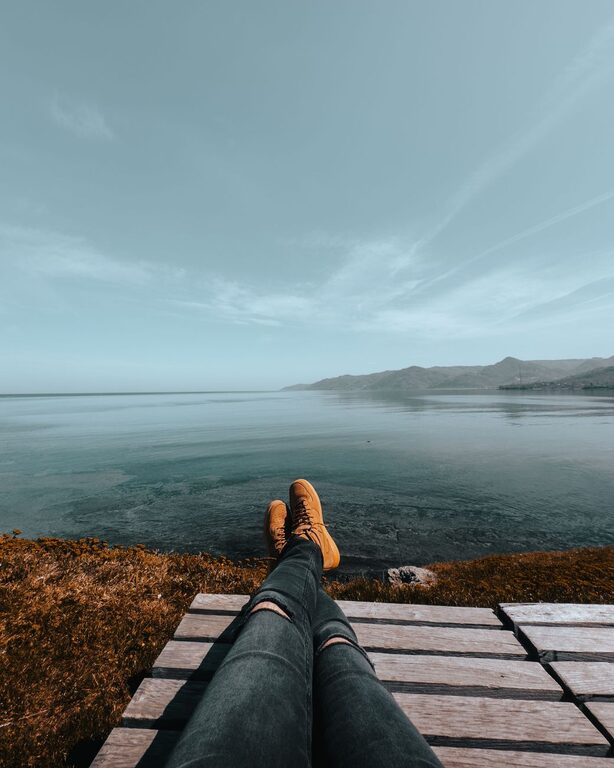
Taking time to unwind during the weekend is essential for maintaining balance in our busy lives. However, weekends can sometimes become just as hectic as weekdays if we don’t plan them thoughtfully. A no-stress weekend is about finding calm, enjoying your time, and recharging your energy. Here’s a helpful guide to planning a weekend that leaves you feeling refreshed and stress-free.
Why Plan a No-Stress Weekend?
Weekends should be a break from your routine, not a continuation of your workweek stress. By carefully planning your weekend, you can avoid last-minute chaos, improve your mental health, and boost your overall happiness. Planning ensures you have time for rest, hobbies, social connections, and self-care, all of which contribute to a balanced lifestyle.
—
Step 1: Set Your Weekend Intentions
Start by asking yourself what you want to achieve during your weekend. Are you looking to relax completely, spend time with family, catch up on hobbies, or simply disconnect? Setting clear intentions helps you prioritize activities that matter most.
– Write down your weekend goals or intentions on a note or journal.
– Keep your list simple and realistic.
– Remember, the goal is to reduce stress, not add more tasks.
—
Step 2: Create a Flexible Plan
While spontaneity can be fun, a flexible plan provides structure and reduces decision fatigue. Here’s how to make a plan that works for you:
Make a loose schedule
– Allocate time blocks for key activities, like sleeping in, meals, outdoor time, or hobbies.
– Keep pockets of free time open to avoid pressure.
Prioritize rest and relaxation
– Schedule downtime to read, meditate, or nap.
– Avoid cramming too many activities into one day.
Limit commitments
– Say no to activities that feel overwhelming or unnecessary.
– Choose quality over quantity when it comes to social events.
—
Step 3: Prepare in Advance
Preparation is key to a smooth weekend. A little effort before Friday evening can save stress later.
– Household tasks: Do laundry, clean, or grocery shop ahead so you’re not rushing.
– Meal prep: Prepare simple meals or snacks in advance to avoid last-minute cooking stress.
– Digital detox: Plan to unplug for a few hours or the whole weekend if possible. Inform friends and family if you’ll be offline.
—
Step 4: Create a Calm Environment
Your surroundings play a big role in how relaxed you feel.
– Tidy your space to create a serene atmosphere.
– Use soft lighting, light some candles, or play calming music.
– Add elements like plants or cozy blankets to enhance comfort.
—
Step 5: Engage in Relaxing Activities
Choose activities that feel enjoyable and peaceful. Some ideas include:
– Reading a favorite book or watching a feel-good movie.
– Going for a gentle walk or spending time in nature.
– Practicing yoga or meditation to center your mind.
– Journaling your thoughts or gratitude.
– Doing a creative hobby like painting, knitting, or cooking.
—
Step 6: Practice Mindful Living
Mindfulness means paying attention to the present moment without judgment. This helps combat stress and enhances enjoyment.
– During meals, eat slowly and savor each bite.
– Notice your breathing and pause if you feel overwhelmed.
– Limit multitasking; focus on one thing at a time.
– Appreciate the small joys around you.
—
Step 7: Prioritize Sleep and Rest
Getting enough rest is crucial for a no-stress weekend.
– Stick to a consistent bedtime and wake-up time if possible.
– Create a bedtime routine that signals your body it’s time to relax (e.g., dim lights, no screens).
– Avoid caffeine and heavy meals late in the day.
—
Step 8: Stay While Being Present in Social Moments
If you choose to spend time with others, be fully present.
– Put away your phone during conversations.
– Practice active listening.
– Engage in light-hearted, positive interactions.
– Avoid discussing stressful topics.
—
Bonus Tips for Maintaining a No-Stress Weekend
– Limit checking emails or work messages.
– Avoid heavy planning for the following week; leave time to rest.
– Allow yourself to say “no” without guilt.
– Remember, it’s okay to do nothing at all!
—
Conclusion
Planning a no-stress weekend is about creating space for rest, joy, and connection. By setting intentions, preparing in advance, and focusing on mindfulness, you can enjoy your days off without feeling overwhelmed. Give yourself permission to slow down and savor your time—it’s a gift that will benefit both your mind and body.
Start planning your next weekend today and experience the power of a truly relaxing break!