
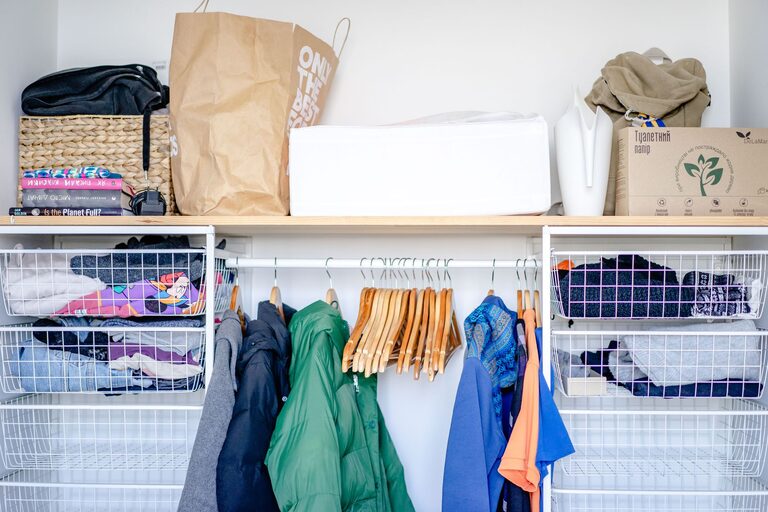
Storing seasonal clothes efficiently is key to keeping your home organized and your wardrobe in good condition. When the weather changes, swapping out your clothes can feel overwhelming without a proper system. In this post, we’ll walk you through practical tips and strategies to store your seasonal clothes neatly, save space, and protect your garments until you need them again.
Why Proper Storage Matters
Seasonal clothes are often bulky items like winter coats, sweaters, or summer dresses, bathing suits, and shorts. Without proper storage, these items can become wrinkled, damaged, or take up unnecessary space in your closet. Proper storage also helps you:
– Extend the lifespan of your clothes
– Prevent damage from moisture, insects, or dust
– Keep your closet clutter-free
– Make dressing for the current season easier by reducing clutter
Step 1: Sort and Declutter Before Storing
Before packing away your clothes, take the time to sort through them. This step helps you identify what you actually want to keep.
– Try on items to check fit and condition
– Donate or sell clothes you no longer wear or need
– Repair any damaged items like buttons or seams
– Wash and dry all garments to avoid attracting pests or mildew during storage
Decluttering is the foundation for efficient storage. The less you keep, the easier the process will be.
Step 2: Choose the Right Storage Containers
Selecting appropriate storage containers protects your clothes and keeps them organized.
Storage Options:
– Plastic bins with lids: These are airtight and protect against moisture and pests. Clear bins allow you to see contents without opening.
– Fabric storage bags: Breathable bags prevent mildew but may not protect against insects as well. Good for delicate items.
– Vacuum-sealed bags: Great for bulky items like winter coats and blankets. These save space but be cautious—long-term compression can damage some fabrics.
– Storage boxes: Cardboard boxes are inexpensive but less protective. Use only if stored in a dry, pest-free environment.
Label Containers
Always label bins or bags with the contents inside. You can use stickers, tags, or write directly on containers. This saves time when you need to retrieve specific items.
Step 3: Prepare Clothes for Storage
Proper preparation ensures your clothes stay fresh and ready to wear.
– Clean clothes: Wash or dry clean before storing to avoid stains setting and to deter insects like moths.
– Fold or hang appropriately: Fold sweaters and heavy knits to prevent stretching. Hang delicate items on sturdy hangers.
– Use acid-free tissue paper: Place between folds to reduce creases. This is especially helpful for delicate fabrics.
– Add natural repellents: Cedar blocks or lavender sachets keep moths and pests away. Avoid using harsh chemicals.
Step 4: Optimize Your Storage Space
Finding the best spots to store your seasonal clothes helps maximize space and accessibility.
Storage Location Tips:
– Under-bed storage: Use flat bins designed to slide underneath beds for easy access.
– Closet shelves: Store out-of-season clothes on higher shelves or in hanging organizers.
– Vacant suitcases: Store clothes inside your luggage, saving space and keeping items contained.
– Attics or basements: Use only if the environment is dry and temperature-controlled to prevent damage.
– Storage ottomans or benches: Perfect for smaller items and frequent access.
Avoid places that are dark and damp, as they can damage clothes over time.
Step 5: Maintain Your Storage System
Seasonal storage is not a “set it and forget it” task. Regular maintenance ensures your clothes remain in good shape.
– Check on storage bins every few months to look for signs of humidity or pests
– Air out clothes occasionally by taking bins out and letting garments breathe
– Replace moth repellents and refresh sachets as needed
– Re-assess your wardrobe seasonally, repeating decluttering as necessary
Bonus Tips for Specific Clothing Types
– Sweaters: Fold to avoid stretching, store with lavender for moth protection.
– Winter coats: Hang in breathable garment bags, store in a cool, dry place.
– Swimwear: Rinse well, fold loosely, store flat to maintain shape.
– Shoes: Clean thoroughly, stuff with paper to retain shape, store in shoe boxes or clear bins.
Conclusion
Efficiently storing your seasonal clothes doesn’t have to be complicated. With a little preparation, the right containers, and thoughtful placement, you can keep your wardrobe fresh and organized year-round. By following these tips, you’ll save space, protect your clothes, and enjoy a clutter-free closet no matter the season.
Ready to tackle your seasonal wardrobe? Start today by sorting your clothes and gathering your storage supplies!