
When a room feels dark and gloomy, it can affect your mood and the overall vibe of your home. Whether you’re dealing with small windows, limited natural light, or heavy furnishings, there are many quick and easy ways to brighten a dark room. This guide offers practical strategies that can help transform your space into a lighter, more inviting area.
Why Brighten a Dark Room?
A well-lit room feels larger, more open, and more welcoming. Bright environments can boost your mood and productivity, making them especially important in living spaces, work areas, or bedrooms. Luckily, you don’t need major renovations to make a noticeable difference.
Add More Light Sources
Use Layered Lighting
Instead of relying on a single overhead light, combine different lighting types:
– Ambient Lighting: General ceiling lights or recessed lighting create even illumination.
– Task Lighting: Desk lamps, reading lamps, or under-cabinet lights focus on specific areas.
– Accent Lighting: Wall sconces or LED strip lights highlight features or add warmth.
Layering lights allows you to adjust brightness throughout the day and enhances the room’s depth.
Choose Bright Bulbs
Invest in bulbs with a high lumen output. LED bulbs are energy-efficient and come in various color temperatures. For a brighter feel, choose bulbs labeled “daylight” or “cool white” rather than warm yellow tones.
Maximize Natural Light
Keep windows clean and unobstructed. Use sheer or light-colored curtains that let in light but maintain privacy. Consider hanging mirrors opposite windows to reflect light into darker corners.
Use Light Colors on Walls and Furniture
Paint with Bright or Neutral Colors
Light colors reflect light, making rooms feel brighter and more spacious. Whites, creams, soft grays, and pastels work well. If repainting is an option, focus on walls and ceilings. Lighter ceilings especially open up the space visually.
Update Furniture and Decor
Choose lighter-colored furniture or covers for sofas, chairs, and curtains. Avoid heavy, dark fabrics that absorb light. Incorporating glass or metallic accents, like mirrored tables or shiny picture frames, can also reflect light.
Incorporate Reflective and Transparent Elements
Mirrors
Placing mirrors strategically has a big impact on brightness. Position a large mirror across from a window or near a light source to bounce light around the room.
Glass and Acrylic Furniture
Using transparent furniture pieces reduces visual clutter and allows light to flow through the space.
Declutter and Organize
Too many items can make a room feel cramped and dark. Keep surfaces tidy and storage organized to create a sense of openness. Use open shelving sparingly and opt for closed cabinets if they help reduce visual clutter.
Use Bright Accents and Artwork
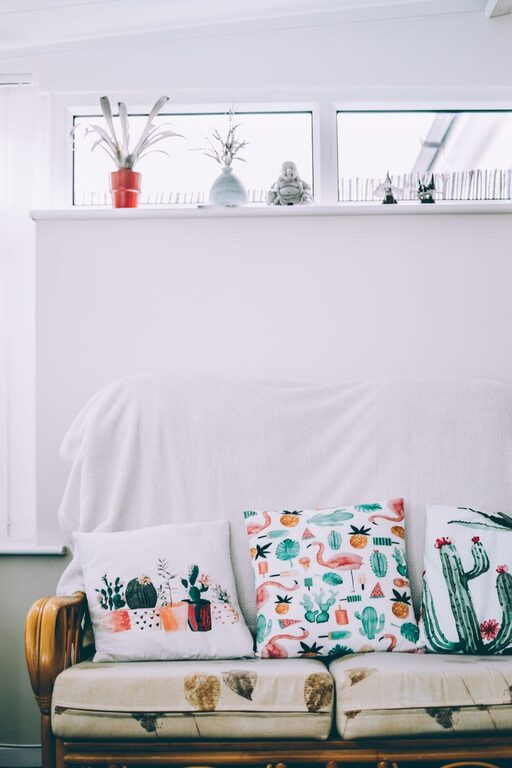
Colorful throw pillows, rugs, or artwork can add pops of brightness that catch the eye and lift the mood. Choose pieces with lighter backgrounds or vibrant colors to contrast darker walls or furniture.
Flooring Tips
Light-colored flooring, like pale wood or bright rugs, helps reflect light upward. If replacing flooring isn’t an option, a large, light-toned area rug can brighten the space effectively.
Add Greenery
Plants add life and a fresh feeling to any room. Choose plants with bright green leaves or flowering varieties to add color naturally. Position them near natural light sources for best growth and impact.
Keep Windows Simple
Avoid heavy drapes that block light. If privacy is a concern, opt for blinds or shades that can be fully raised during the day.
Final Thoughts
Brightening a dark room doesn’t require a full remodel. By layering lighting, choosing light colors, using mirrors, and keeping your space organized, you can quickly and effectively create a more cheerful, inviting room. These easy ideas help make the most of your space and enhance your home’s comfort every day.