
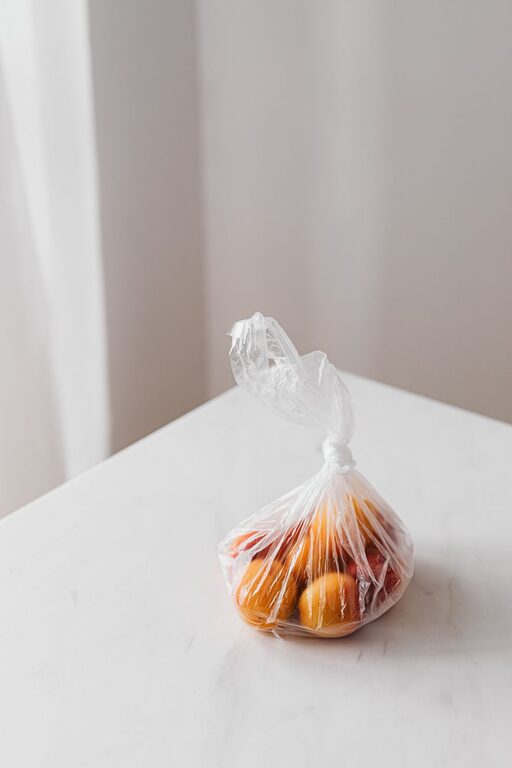
Reducing food waste at home is not only good for your wallet but also plays a significant role in protecting the environment. Each year, millions of tons of food are thrown away, contributing to unnecessary waste of resources and increased greenhouse gas emissions. Fortunately, there are many simple and effective ways to minimize food waste right in your kitchen. This article will guide you through practical steps to help you save food, save money, and reduce your environmental footprint.
Why Reducing Food Waste Matters
Food waste affects more than just your grocery budget. When food is discarded, all the water, energy, and labor used to produce, transport, and store it are wasted as well. Additionally, food that ends up in landfills decomposes and releases methane, a potent greenhouse gas. By cutting down on food waste, you contribute to a healthier planet and a more sustainable food system.
Planning and Shopping Smarter
Make a Weekly Meal Plan
Before heading to the store, plan your meals for the week. This helps you buy only the ingredients you need and avoid impulse purchases that often go unused.
Create a Detailed Shopping List
Write a list based on your meal plan and stick to it. This reduces the chances of buying extra items that may spoil before you get a chance to use them.
Shop with Portion Sizes in Mind
Be realistic about how much your household consumes. Buy smaller quantities of perishable items if you don’t use them quickly.
Proper Storage Techniques
Understand Food Storage Basics
Different foods require different storage methods to stay fresh longer. For example, some fruits release ethylene gas that can speed up ripening of nearby vegetables, so storing them separately can help.
Use Airtight Containers
Store leftovers and cut fruits or vegetables in sealed containers to maintain freshness and prevent spoilage.
Label and Date Your Food
Use labels to note when items were stored. This helps you keep track and use older items first, reducing the chance of forgetting and throwing food away.
Use Leftovers Creatively
Repurpose Leftovers
Turn extra cooked vegetables, grains, or proteins into new dishes such as soups, stir-fries, or casseroles.
Save Scraps for Broths and Stocks
Vegetable peels, onion skins, and bones can be frozen and later boiled to make flavorful homemade broths.
Share With Others
If you have excess food, consider sharing with neighbors, friends, or local food banks instead of discarding it.
Mindful Cooking and Portion Control
Cook Appropriate Portions
Avoid cooking more than you need by measuring ingredients carefully. This reduces leftover waste.
Serve Smaller Portions
Serve smaller amounts and offer seconds if needed. This prevents uneaten food on plates from being thrown away.
Regularly Check Your Pantry and Fridge
Perform Weekly Food Audits
Look through your fridge, freezer, and pantry weekly to use items nearing their expiration dates.
Organize Your Storage Spaces
Keep newer items behind older ones so the older ones get used first, following the “first in, first out” rule.
Compost Food Scraps
Even with careful planning, some food scraps are unavoidable. Composting is a great way to recycle organic waste and enrich your garden soil.
What Can Be Composted?
Fruit and vegetable scraps, coffee grounds, eggshells, and bread are all compostable. Avoid meat, dairy, and oily foods in compost piles.
How to Start Composting at Home
Use a compost bin or pile outside, or try a kitchen compost container. Turn the compost regularly to speed up decomposition.
Educate and Involve Your Household
Teach Family Members
Make reducing food waste a shared effort by involving everyone in the household. Teach kids about the importance of saving food.
Keep Food Waste Visible
Use a clear container for food scraps or place a small bin in the kitchen to remind everyone to minimize waste.
Conclusion
Reducing food waste at home is achievable with a few mindful habits. From smart shopping and proper storage to creative use of leftovers and composting, every step counts. Not only will you save money, but you’ll also contribute to a healthier environment. Start implementing these tips today and enjoy the benefits of less waste and more savings.
By making simple changes, your home can become part of the solution to global food waste challenges. Remember, every effort helps when it comes to reducing waste and living sustainably.